CARDIFF UK
CARDIFF
HomeFoundationsFoundations on Fill Analysis

Foundations on Fill Analysis in Cardiff

Evidence-based design. Reliable delivery.

LEARN MORE

Cardiff sits on a legacy of industrial and urban development. Much of the city centre, including areas like Butetown and parts of Cardiff Bay, is built on made ground. These fills range from demolition rubble to dredged marine silts. Their thickness can exceed 8 metres in former dock basins. For any new structure, foundations on fill analysis must evaluate composition, compaction state, and long-term settlement. We combine trial pits with calicatas exploratorias to log fill layering directly. This is the first step before any bearing capacity estimate.
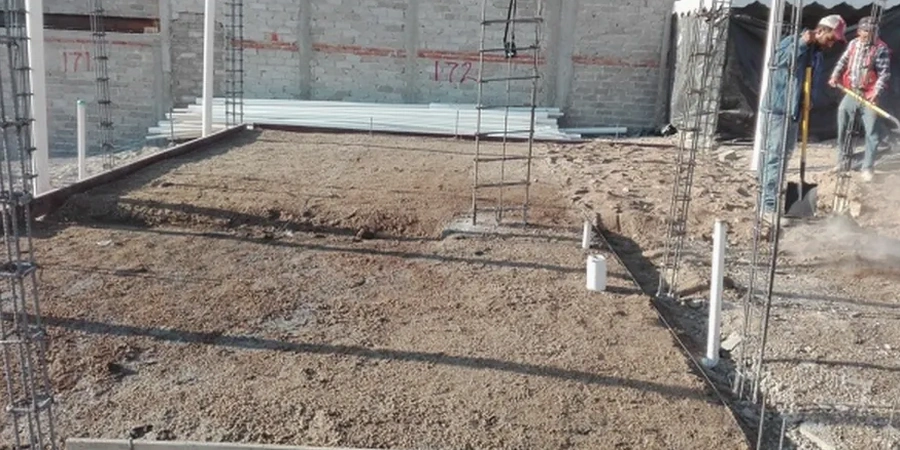
Illustrative image of Foundations on fill (analysis) in Cardiff
Fills in Cardiff Bay can settle up to 50 mm under modest loading if not properly characterised before foundation design.

Our service areas

Process overview

In Cardiff, we frequently see fills with high variability across a single site. One metre of sandy gravel can sit directly on soft clayey silt. That lateral change is a real challenge. Our approach starts with a detailed walkover survey and historical map review. Then we deploy targeted investigation. We often recommend a placa de carga test on compacted fills to verify achieved stiffness. The test follows BS 1377 and gives a direct modulus value. We also collect undisturbed samples for consolidation testing when the fill contains significant fines. The whole process is guided by BS 5930:2015 and Eurocode 7.
Technical reference — Cardiff

Local context

The difference between a site in Roath Park and one in Grangetown is striking. Roath Park sits on natural glacial till with consistent bearing capacity. Grangetown fills can contain organic matter, ash, and loose sands that settle unevenly. Differential settlement is the real risk here. A poorly analysed fill may cause slab cracking, door jamming, or even structural tilting. We always check for buried voids, old foundations, and decaying timber within the fill mass. Ignoring these features is the fastest route to a costly repair.

Need a geotechnical assessment?

Reply within 24h.

Email: contact@geotechnical-engineering.biz

Visual overview


Relevant standards

BS 5930:2015 – Code of practice for ground investigations, BS EN 1997-1:2004 (Eurocode 7) – Geotechnical design, BS 1377 – Plate load test for soils

Typical values


ParameterTypical value
Fill thickness range1.5 – 8.5 m
Typical SPT N-value (compacted fill)8 – 22 blows/300mm
Consolidation settlement estimate15 – 50 mm under 100 kPa
Moisture content range12 – 35%
Plasticity index (fine-grained fills)14 – 28%

Q&A

Why is foundations on fill analysis important in Cardiff?

Cardiff has extensive areas of made ground from past industrial activity and dock reclamation. Without proper analysis, differential settlement and bearing failure become real risks for new construction.

What is the typical cost range for a foundations on fill study in Cardiff?

For a standard residential plot with trial pits and laboratory testing, expect a range between £580 and £2,090. Larger commercial sites with plate load tests will be at the higher end.

How deep should trial pits go for fill characterisation?

Pits should extend at least 1 metre into natural ground below the fill base. In Cardiff Bay, that often means 4 to 6 metre deep pits to reach competent alluvium or glacial till.

Can I build a raft foundation directly on fill in Cardiff?

It depends on fill quality and thickness. Well-compacted granular fills with controlled placement may support a raft. Loose or organic fills require Improvement or piling. Our analysis decides the safe option.

Location and service area

We serve projects across Cardiff.

Location and service area