CARDIFF UK
CARDIFF
HomeSlopes & WallsRetaining Wall Design

Retaining Wall Design in Cardiff – Geotechnical Solutions

Evidence-based design. Reliable delivery.

LEARN MORE

Retaining wall design in Cardiff demands a firm grasp of Eurocode 7 (EN 1997-1:2004) and BS 6031:2009, given the city's varied ground conditions. The solid geology here is largely Triassic marls and sandstones, but the surface layer alternates between glacial till from the Devensian ice sheet and soft alluvial clays along the Taff and Rhymney valleys. For walls higher than 2 m we always start with a calicata exploratoria to log the soil profile visually before any analytical work. That early look at the ground often reveals hidden gravel lenses or perched water tables that would otherwise skew the design parameters.
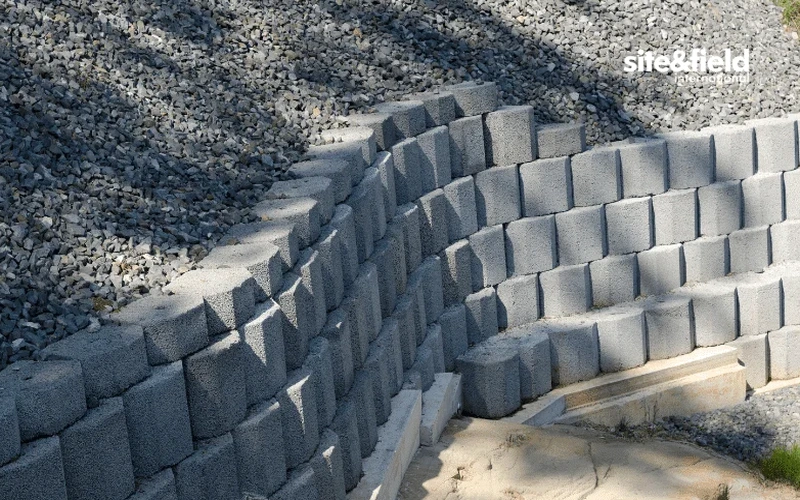
Illustrative image of Retaining wall design in Cardiff
In Cardiff a wall that fails in the short term rarely lasts a decade — the ground water here moves faster than most models predict.

Our service areas

Process overview

We use a mix of numerical and limit-equilibrium methods to size each wall. The team runs a staged construction analysis in software such as Oasys Frew or Plaxis 2D, but the critical input is reliable shear-strength data. Inside our Cardiff laboratory — UKAS accredited to ISO 17025 — we carry out direct shear and triaxial tests on undisturbed samples recovered from the site. For walls in the softer alluvium the drained friction angle often drops to 26-28°, so we pair the wall design with an ensayo CPT to map strength profiles continuously. The key parameters we check include:
  • Effective cohesion (c') and friction angle (φ') from consolidated-drained triaxial
  • At-rest earth pressure coefficient (K₀) via oedometer with lateral stress measurement
  • Undrained shear strength (cᵤ) for short-term stability in low-permeability till
  • Interface friction angle between soil and wall material
Technical reference — Cardiff

Local context

In Cardiff the biggest risk we see is underestimating the groundwater regime after heavy rain. The Triassic marl has a variable fracture network; after a wet winter the pore pressure can spike enough to reduce the effective stress on the wall heel by 30 %. We always install a standpipe piezometer at the base of the excavation and monitor it for at least two weeks before finalising the design surcharge. Another common issue is the presence of old mine workings beneath the southern suburbs — a brief estudio de mecánica de suelos with an exploratory borehole can save months of remedial work later.

Need a geotechnical assessment?

Reply within 24h.

Email: contact@geotechnical-engineering.biz

Relevant standards


BS EN 1997-1:2004 (Eurocode 7 – Geotechnical design), BS 6031:2009 (Code of practice for earthworks), BS 8002:2015 (Code of practice for earth retaining structures), CIRIA C760 (Guidance on embedded retaining walls)

Typical values

ParameterTypical value
Wall height range1.5 m – 8.0 m (cantilever and anchored)
Design life50 or 120 years per Eurocode 1
Soil types handledGlacial till, alluvium, made ground, weathered marl
Drainage systemWeep holes + granular blanket or geocomposite strip
Factor of safety (sliding)1.5 (ultimate limit state)
Factor of safety (overturning)2.0 (serviceability limit state)

Q&A


What is the typical cost range for a retaining wall design in Cardiff?

For a standard residential wall up to 3 m high the design fee usually falls between £750 and £1,800. Larger commercial walls with deep embedment or complex drainage can reach £3,440. The final figure depends on the number of boreholes, laboratory tests and structural iterations needed.

Do I need a retaining wall design if the ground slopes only gently?

Yes, because even a 5° slope in the glacial till can generate enough lateral pressure to crack a masonry garden wall. The design ensures the wall resists both soil thrust and any surcharge from adjacent traffic or buildings. A quick site walkover and one trial pit give you the answer in a day.

How long does the design process take from site visit to final drawing?

A typical residential wall takes 10 to 15 working days. That includes one day for the site investigation, five days for laboratory testing, and the rest for analysis and detailing. For larger schemes with multiple walls we schedule a phased delivery so that the foundation works can start while the upper wall is still being designed.

Location and service area

We serve projects across Cardiff.

Location and service area