A six-storey residential block proposed near Cardiff Bay required a rapid yet reliable assessment of the soil column’s natural frequency. The local geology, dominated by tidal flat deposits and the Mercia Mudstone Group, can amplify seismic motion in unexpected ways. That is where an HVSR microtremor survey (Nakamura method) becomes essential. By recording ambient ground vibrations with a single three-component seismometer, the survey identifies the fundamental resonance frequency of the site. This information directly informs the seismic design parameters for the foundation system. In a city where brownfield redevelopment is common, pairing the HVSR survey with a study of soil mechanics clarifies the dynamic behaviour of made ground and soft alluvium. The technique is non-invasive, cost-effective, and takes only a few hours per station, making it an ideal first step in seismic site classification for Cardiff projects.
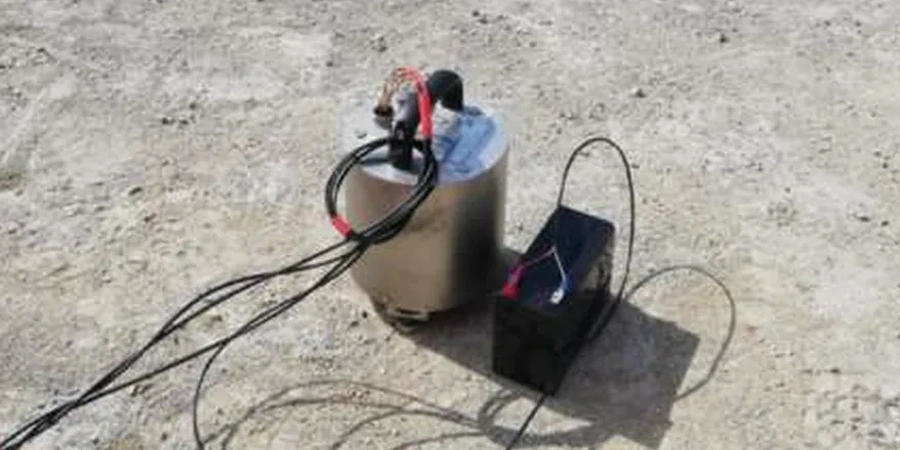
An HVSR microtremor survey provides the fundamental resonance frequency of the soil column, directly feeding into Eurocode 8 site classification and seismic design.